


Medicaid Fraud
Medicaid Fraud Investigations Are Increasing Nationwide
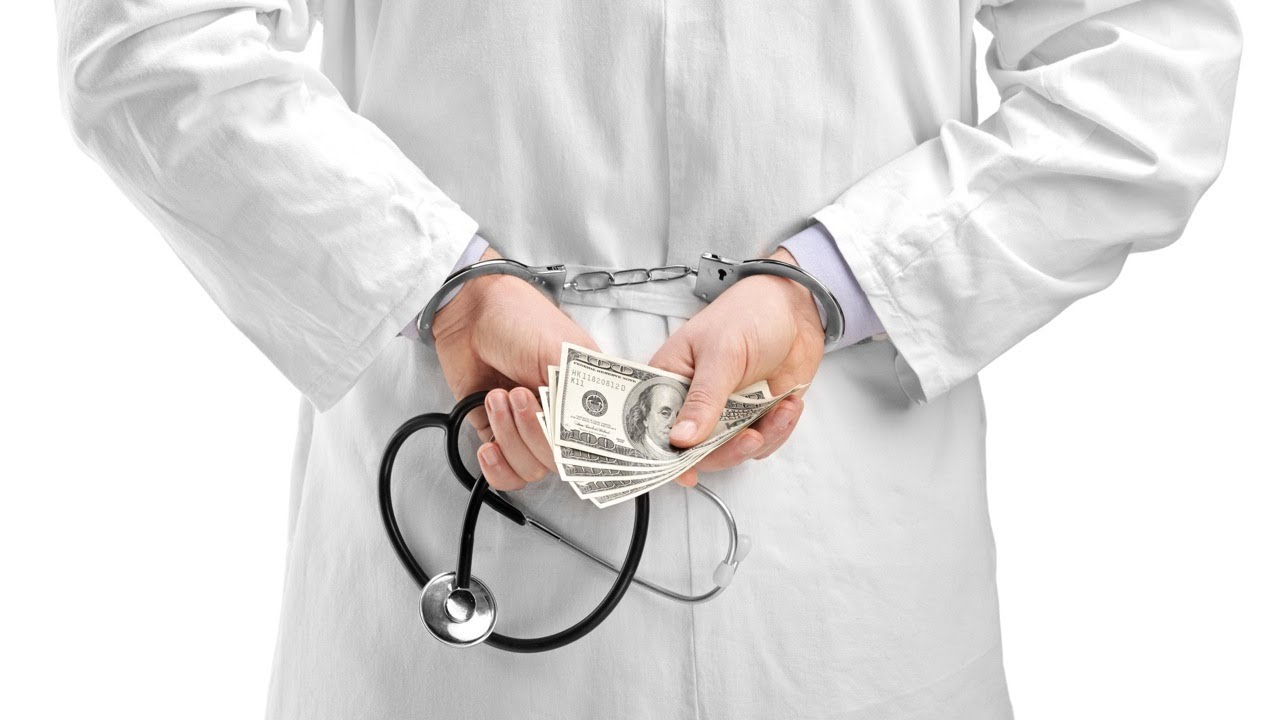
Medicaid fraud enforcement has intensified significantly in recent years, with federal and state agencies including the Department of Justice (DOJ), the FBI, and State Medicaid Fraud Control Units (MFCUs) actively investigating healthcare providers, billing companies, and healthcare organizations across the United States.
Recent nationwide enforcement actions have involved hundreds of defendants and billions of dollars in alleged fraudulent claims submitted to Medicare and Medicaid programs. These coordinated enforcement efforts reflect a broader increase in healthcare fraud investigations and regulatory scrutiny.
Learn more about recent federal healthcare fraud enforcement actions:
https://www.seitleslaw.com/healthcare-fraud-crackdown-2026/
What Is Medicaid Fraud?
Medicaid fraud generally refers to allegations that a provider or organization knowingly submitted false or misleading claims to obtain payments from the Medicaid program.
Medicaid fraud cases may be civil, administrative, or criminal depending on the allegations and evidence.
Common allegations include:
- Billing for services not rendered
- Submitting false or altered medical records
- Upcoding or unbundling services
- Paying or receiving illegal kickbacks
- Billing for medically unnecessary services
- Duplicate or inflated claims
- Improper patient eligibility or enrollment practices
- Alleged violations of the False Claims Act
However, many Medicaid investigations also arise from billing disputes, documentation errors, or regulatory complexity rather than intentional misconduct.
Who Is Investigated for Medicaid Fraud?
Medicaid fraud investigations may involve a wide range of healthcare providers and entities, including:
- Physicians and medical professionals
- Home health agencies
- Hospice providers
- Behavioral health providers
- Durable medical equipment suppliers
- Pharmacies
- Clinics and medical groups
- Billing and coding companies
- Transportation providers
How Medicaid Fraud Investigations Begin
Medicaid fraud investigations often begin long before charges are filed and may be triggered by:
- State Medicaid audits
- Federal data analytics identifying billing anomalies
- Whistleblower (qui tam) lawsuits under the False Claims Act
- Civil Investigative Demands (CIDs)
- Provider enrollment or revalidation reviews
- Complaints from employees, patients, or competitors
- Referrals from State Medicaid Fraud Control Units
If you received a subpoena or government request for records:
https://www.seitleslaw.com/healthcare-fraud-subpoena-defense/
Warning Signs of a Medicaid Fraud Investigation
You may be under investigation if you experience:
- Contact from FBI or state investigators
- Medicaid audit escalation or repayment demand
- Requests for patient records or billing files
- Civil Investigative Demands (CIDs)
- Search warrants executed at your office
- Interviews of staff or patients by investigators
- Notices of payment suspension or enrollment review
Medicaid Fraud vs Billing Errors
Not all Medicaid investigations involve fraud.
In many cases, issues arise from:
- Coding or documentation errors
- Complex Medicaid billing rules
- Eligibility or enrollment misunderstandings
- Administrative or system issues
However, even non-intentional errors can lead to significant civil exposure, repayment demands, or program exclusion if not properly addressed.
Potential Consequences of Medicaid Fraud Allegations
Medicaid fraud allegations may result in:
- Civil penalties under the False Claims Act
- Criminal prosecution
- Repayment obligations and overpayment demands
- Exclusion from Medicaid and Medicare programs
- Loss of professional licenses
- Reputational harm and business disruption
Defense Against Medicaid Fraud Investigations
A strong defense strategy may include:
- Challenging intent and knowledge
- Demonstrating billing compliance and good-faith practices
- Reviewing audit methodology and statistical sampling
- Identifying documentation or coding issues
- Negotiating with state and federal investigators
- Preventing escalation to criminal charges
Early legal intervention is often critical in Medicaid fraud cases.
Medicaid Fraud Defense in Florida
Florida is one of the most active states in the country for Medicaid fraud investigations due to the size of its Medicaid program and the number of healthcare providers operating within the state.
Healthcare fraud defense in Miami:
https://www.seitleslaw.com/practice-areas/healthcare-fraud-miami/
Federal healthcare fraud investigations in Florida:
https://www.seitleslaw.com/federal-healthcare-fraud-investigation-florida-2026/
Related Healthcare Defense Areas
Medicaid fraud cases often overlap with broader healthcare enforcement and litigation matters, including:
- Healthcare litigation disputes:
https://www.seitleslaw.com/practice-areas/healthcare-litigation/ - Medicare fraud defense:
https://www.seitleslaw.com/practice-areas/medicare-fraud/ - Healthcare fraud overview:
https://www.seitleslaw.com/what-is-health-care-fraud/ - Healthcare fraud enforcement trends:
https://www.seitleslaw.com/healthcare-fraud-crackdown-2026/
Contact a Medicaid Fraud Defense Lawyer in Miami
If you are under investigation for Medicaid fraud or have received a subpoena, audit notice, or government inquiry, early legal intervention is critical.
Seitles Law represents healthcare providers, clinics, and medical professionals facing Medicaid fraud allegations in Miami and throughout Florida.